Hiking
How to Plan a Day Hike in the Lake District: A Step-by-Step Guide
The Lake District is generous with its good days, but it doesn't hand them out on demand. A walk that feels effortless and memorable is usually the product of twenty minutes of planning the night before: a route that suits the legs involved, a forecast that has actually been read properly, and a rucksack packed with the few things that matter. None of it is complicated. It just needs doing in the right order.
Choose a route that fits the day you actually have
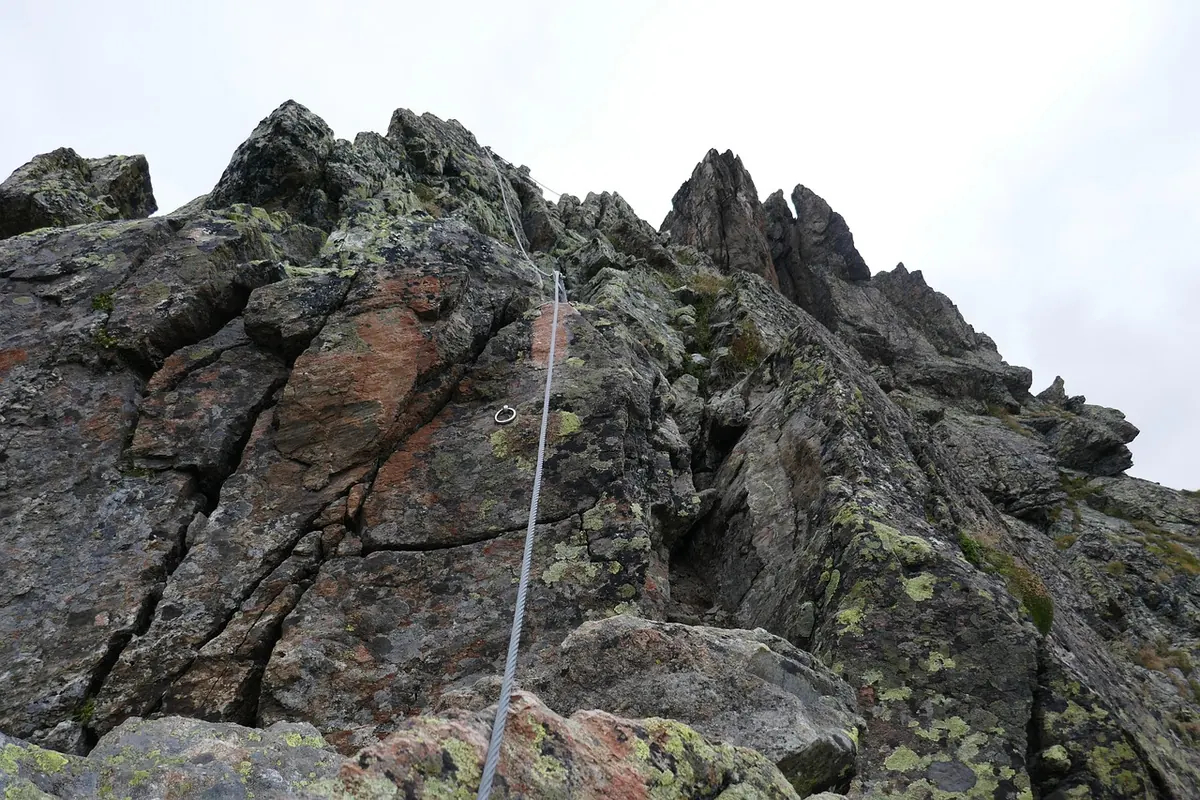
Start with the people, not the fell. Who is coming, how far they have walked recently, and how they feel about steep ground all matter more than ticking off a famous summit. A group with young children will enjoy a lakeshore circuit at Borrowdale or Buttermere far more than a slog up a scree slope. A fit pair with early starts and a head for exposure can look at something like Striding Edge or Sharp Edge — but those are scrambling routes, not walks, and they demand the right experience and conditions.
Think about what is underfoot as well as how far you are going. Rocky ridgelines, wet bog, loose slate and grassy trods all slow you down at different rates. On a one-day outing, it is often better to choose a route with an obvious escape option: a path back down to a valley, a short cut across a col, or a lower-level alternative if the cloud comes in.
Reading distance and ascent honestly
Guidebook times assume steady walking with brief stops, and they are rarely generous. A useful rule of thumb is roughly four kilometres per hour on easy paths, plus about an hour for every 600 metres of climbing. Add time for photos, snacks, route-finding and children. If your plan includes two summits and a return leg, allow yourself the option to drop one and still be back before dark. The OS Explorer sheets OL4 to OL7 cover the national park, and pairing one with a Wainwright or Cicerone guide gives you both the line on the map and a sense of what it feels like.
Check the mountain forecast, not the town forecast
Weather in Ambleside tells you very little about the top of Great Gable. Check the Met Office mountain forecast or the Mountain Weather Information Service, then read four things carefully: wind speed and direction, cloud base, the chance of rain, and how much daylight you have. Wind is what catches people out. A steady breeze in the valley can be a buffeting gale on a ridge, and gusts are what make a bad descent turn into a long one.
Cloud base decides whether you get a view or a navigation exercise. If the forecast suggests the tops will be clagged in, either accept that the compass skills are part of the day, or choose a lower route and stay under the cloud. Either way, decide before you leave the house — not on the col at two in the afternoon.
Sort out the logistics before the fun bits
- Parking: popular car parks at places like Wasdale Head, Great Langdale and Buttermere fill early in summer. Arrive by mid-morning or use the seasonal buses from Keswick and Windermere instead. Never park across a gate or on a passing place.
- Timings: work backwards from sunset. Note when the light goes, then subtract the walk out, a contingency, and the drive home. Faffing at the car costs more time than most people admit.
- Let someone know: route, start point, intended finish and a check-in time. A photograph of the route marked on the map sent to a friend is quick and remarkably clear.
- Meeting points: with a group, agree where you regroup if you get separated, and make sure everyone has the plan on paper, not just on one person's phone.
Kit that earns its place
You do not need much, but you do need the right much. Aim for a warm layer, a waterproof layer, and something to eat and drink, plus the means to navigate and to be found.
- Broken-in boots with grip, plus blister plasters in the bag
- Waterproof jacket and trousers, hat and gloves — even in July, a summit can be cold and windy
- Spare fleece or insulated layer, kept dry in a rucksack liner
- Paper map, compass and the knowledge to use them
- Charged phone with an offline map, plus a small power bank
- Headtorch, whistle and an emergency shelter or large survival bag
- Around one and a half to two litres of water, and food you will actually want to eat
- Sun cream and midge repellent in summer; a flask in winter
If you have a heart condition, a joint problem or any other health concern that hill walking might affect, speak to your GP before heading out. That is a conversation worth having, not a box to tick.
Safety decisions you make on the day
Set a turnaround time and stick to it, even if the summit looks close. Most incidents happen on the way down, when legs are tired and concentration slips. Stay together as a group, and keep an eye on the slowest walker rather than the fastest.
Mobile signal in the fells is unreliable, so never rely on it for navigation. If something goes wrong, dial 999 and ask for mountain rescue; have a grid reference ready if you can. The EmergencySMS text service is useful where signal is weak, but you must register your phone for it in advance — do that before your trip, not during it.
A simple plan you can copy
Here is the shape of a workable day. The evening before: check the forecast, pick the route, mark it on the map, pack the bag and message someone the details. Morning: check the forecast again, since it will have changed, then leave early enough to start walking by mid-morning with seven or eight hours of daylight in hand. At the start: note the time, the grid reference of the car park and the weather. On the hill: stop for a proper break rather than eating on the move, and turn around at your agreed time. Back at the car: text your contact so nobody worries.
Final checks worth making a habit
Before you lock the car, run through five things: map, compass, waterproofs, torch, food and water. It takes thirty seconds and it is the single most useful routine in hill walking. Then accept that plans change. A day that swaps a cloud-covered ridge for a quiet valley circuit and a pub lunch is not a failure — it is judgement, and judgement is what keeps you walking in the Lakes for years.
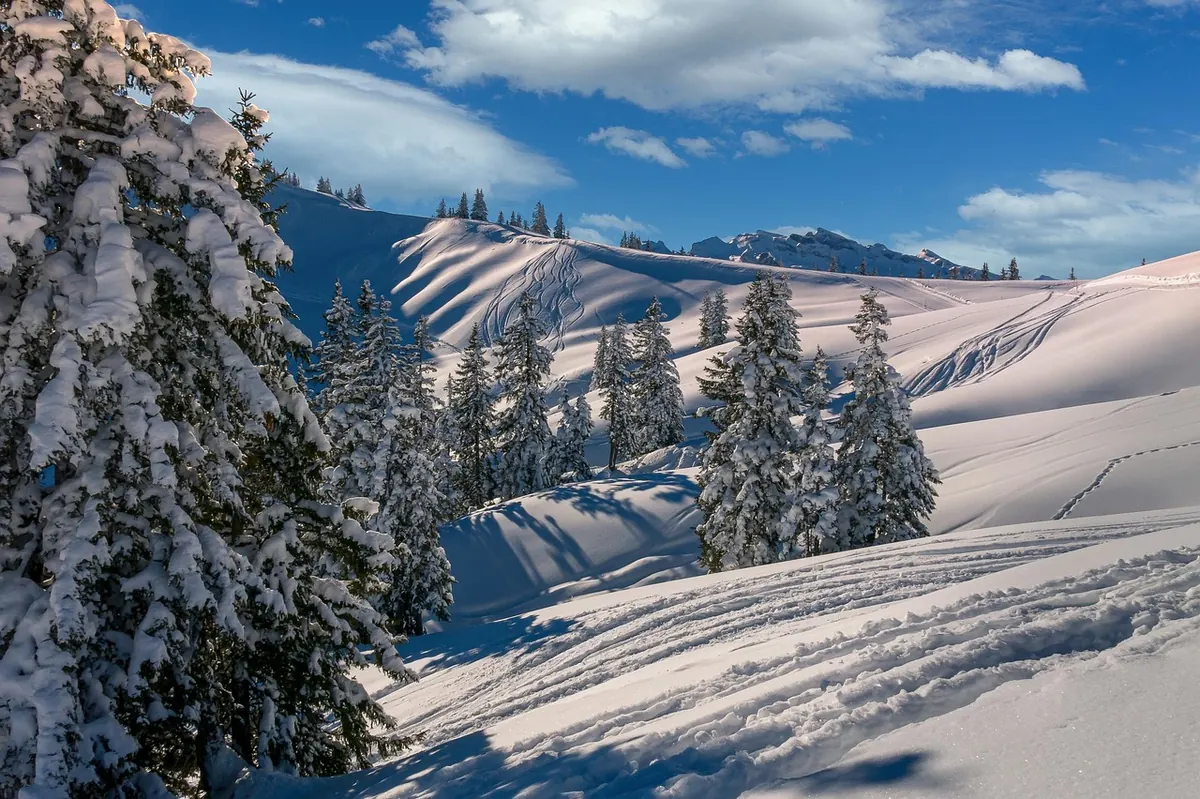
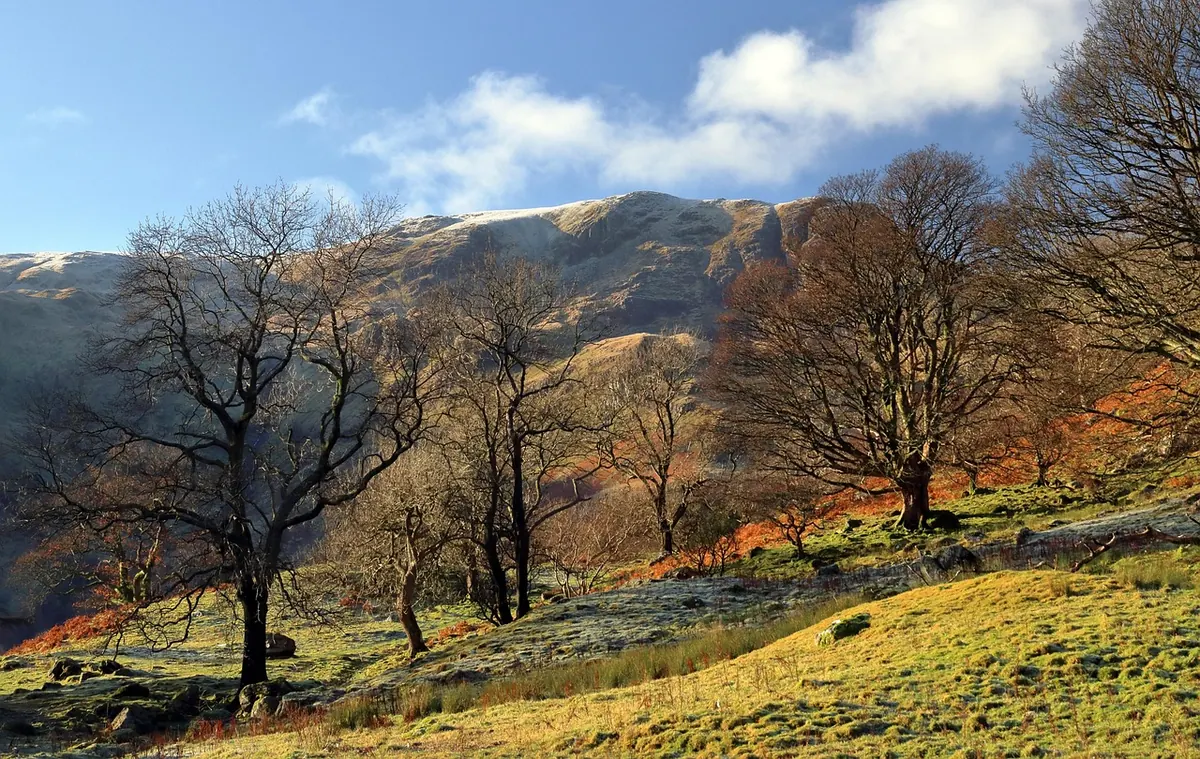
Photo: Emphyrio / Pixabay