Camping
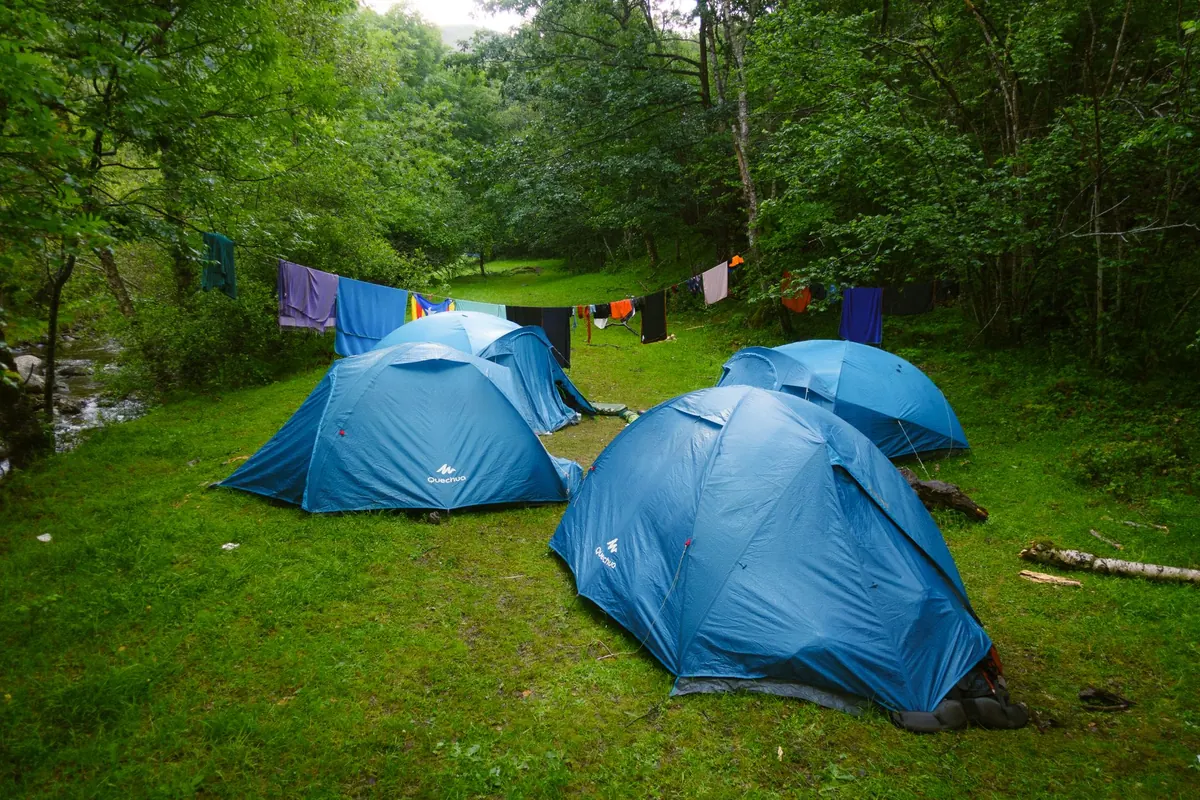
Wild Camping in England: What's Legal and Where You Can Pitch
Wild camping has a pull few nights outdoors can match: a flat pitch on quiet moorland, a brew as the light goes, and nobody else around for miles. It also sits in a legal grey area that catches out plenty of otherwise sensible people. In England, unlike Scotland, there is no general right to camp on open country. What follows is how access actually works, where you can reasonably pitch, and the habits that keep these places available to the rest of us.
Open access is not a camping right
The Countryside and Rights of Way Act 2000 gave the public a right of access on foot to mapped open country: mountain, moor, heath and down, plus registered common land. It is a right to walk, picnic, birdwatch and generally enjoy open-air recreation. It does not include camping, and it does not include lighting fires. That single distinction is behind most of the confusion you will read online. A right to roam across a moor is not a right to sleep on it.
Camping on private land without permission is generally trespass. In most situations that is a civil matter rather than a criminal one, which means you can be asked to leave rather than arrested on the spot. Refuse, and matters can escalate quickly. Some land carries its own bylaws, though, and those can make unauthorised camping a criminal offence. Rules and bylaws change, land ownership is often complicated, and none of this is legal advice: if certainty matters to you, ask the landowner, the national park authority or the local authority before you travel.
Where camping without permission is allowed
Dartmoor
Dartmoor was for decades the one place in England where wild camping on open land was widely understood to be permitted without asking. A 2023 court ruling removed that assumption, and camping now happens only on specific commons under agreements between the national park authority and the landowners who hold the rights there. Conditions apply, typically covering how long you can stay, group size and which commons are included. The list is short and it has changed more than once. Check the current guidance on the Dartmoor National Park Authority's website on the day you plan to go, not a forum thread from three summers ago.
Scotland is a different story
If your plans drift north of the border, the Land Reform (Scotland) Act 2003 gives a right to camp on most unenclosed land, subject to the Scottish Outdoor Access Code. Lightweight, few nights, small group, leave nothing. It is worth knowing the contrast, because it explains why so much wild camping advice online does not apply in England.
Permission-based pitches
The reliable option is a pitch that exists by agreement. Farms, estates and some national park sites offer near-wild camping: a corner of a field, a woodland clearing, a basic pitch with a tap and nothing else. Some charge a few pounds, some ask only that you follow the rules. You get the quiet night, the landowner gets some control, and nobody has to argue about rights.
How to ask a landowner for permission
Asking is a skill, and it is usually straightforward if you get the approach right.
- Ask in advance, not at dusk. A knock at a farmhouse door at ten in the evening rarely ends well. A phone call or an email a few days ahead almost always does.
- Be specific. One person or two, one small tent, one night, arriving late and leaving early. Vagueness sounds like a party.
- Say what you will not do. No fire, no litter, no noise, gates left as you find them.
- Offer to pay. Most will refuse, but the offer does the work.
- Ask the right person. On common land that may be the national park authority or the estate office rather than the nearest house.
- Honour the deal exactly. The permission you keep is usually the permission you were given, and you are keeping the door open for whoever asks next.
Places to treat with extra care
- Areas with camping bylaws. Parts of the Lake District and a number of other commons and country parks prohibit unauthorised camping outright. A sign or a park website will tell you.
- Conservation land. National Trust land, nature reserves and sites protected for wildlife are usually no-camping, and rangers do walk them.
- Military ranges. Training areas on Dartmoor and elsewhere operate around live firing times. Check before you set off, not when the red flags are up.
- Water company land and reservoirs. Catchment areas often ban camping to protect drinking water.
- Enclosed farmland. Never pitch in a field with livestock, and avoid lambing fields in spring altogether.
- Roadside verges and laybys. Overnight parking is a different set of rules again, and local restrictions are common.
Leave no trace: the habits that keep access open
Arrive late, leave early, and leave nothing behind that anyone could find.
Pitch on durable ground: gravel, rock, dry grass, a worn patch. Avoid fragile vegetation, moss and peat, which take years to recover. Move on rather than returning to the same spot, so ground gets a chance to rest. Beyond that, the practical essentials are these:
- Take everything out, including food waste and tea bags. Nothing buried, nothing burned, nothing left for someone else to deal with.
- For human waste, carry it out in a sealed bag where you can. Otherwise dig a shallow hole, roughly 15 to 20 centimetres deep, at least 60 metres from water, paths and pitches, and only in soil. Pack out the paper.
- No open fires. Use a stove, keep it off peaty ground, and never cut or break living wood.
- Treat all water from streams and becks. Farmland runoff is common, and a filter or a boil is cheap insurance.
- Keep the group small. Two tents is wild camping; six is a festival.
- Keep dogs under proper control, or leave them at home during nesting and lambing seasons.
- Leave gates as you found them, take your litter home, and resist the urge to build a cairn or a fire ring.
Before you go: a five-minute check
Confirm the current position for the exact piece of ground you have in mind, then check the weather and be genuinely willing to walk out instead. Leave a route plan with someone and tell them when you expect to be back. Carry a torch, spare layers and enough water, because a late arrival in the dark is when most bad pitches happen.
If you are not certain you have the right to be somewhere, do not camp there. There is no shame in a night at a proper campsite with a shower, then heading out the next evening to a spot where permission is clear. The people who camp quietly, ask politely and leave nothing behind are the reason any of this is still possible.
Photo: Masi / Pexels